Miss Clark's Spoonful: Featured
Showing posts with label Featured. Show all posts

The Biggest Mistake I Made Buying Teachers Pay Teachers Resources as a New Teacher


When I started teaching 14 years ago, Teachers Pay Teachers quickly became one of the tools I relied on most.


I was still figuring out who I was as a teacher, and seeing how other educators approached literacy, math, classroom management, and centers gave me confidence while I found my own style.


And honestly? It still does.

Some of my favorite classroom activities have come from incredibly talented teacher-authors. TPT has saved me countless hours over the years, introduced me to new teaching ideas, and reminded me that I don't have to reinvent the wheel. 


If I could go back and give first-year-teacher Erin one piece of advice, it WOULDN'T be "Don't shop on TPT." It would be this:


Shop with a plan.


The Mistake Wasn't Using TPT

As a new teacher, I bought resources based on whatever I needed that week.

- A phonics activity here.

- A math center there.

- A writing craft before a holiday.

- Morning work when I realized I didn't have enough.


None of those purchases were mistakes. In fact, I still use many of them today. The mistake was that I wasn't thinking ahead. I was solving today's problem instead of building a collection of resources I could return to year after year.


The "I'll Just Grab One Thing..." Mindset

If you've taught for even a week, you know how easy it is to fall into this cycle! Tomorrow's lesson isn't quite ready. You realize you need one more center, one more writing activity, or one more game to reinforce a skill.


So, you hop onto TPT, spend a few dollars, download exactly what you need, and move on.


Truly, that's one of the reasons I love TPT! It gives teachers access to high-quality, classroom-tested resources exactly when they need them.


The challenge is that those small purchases can add up over time if you're always shopping reactively instead of intentionally.


Looking back, I realized I wasn't wasting money - I just didn't have a strategy.


What I Do Differently Now

- I keep a running wishlist.

- I wait for sales whenever I can.

- I look for bundles before buying individual resources.

- I invest in resources I'll use year after year.

- I follow creators whose teaching style matches mine.


What 14 Years of Teaching Has Taught Me

Today, I still shop on TPT all the time, but I approach it differently.


Before I buy something, I ask myself:

- Will I use this year after year?

- Does this fill a real gap in my classroom?

- Is there a bundle that includes this resource and others I'll use?

- Can I add it to my wishlist and wait for a sale?


Those simple questions have helped me build a classroom resource library that I actually use instead of collecting downloads I'll forget about.


From TPT Buyer to TPT Seller

For years, I was simply a TPT buyer.


Like so many teachers, I was constantly creating things for my own classroom - activities to fill curriculum gaps, centers that matched the way I taught, and little ideas that made learning more engaging for my students.


I've always loved creating!


In fact, in college, one of my elementary education professors once questioned whether I had plagiarized an activity I designed because she couldn't believe I had created it myself (that's a story for another day!).


At the time, I was more flattered than offended. Creativity has always been one of my favorite parts of teaching.


As the years went on, I noticed something interesting. The resources I was creating for my own students were becoming the ones I reached for again and again. They had been tested, revised, tweaked, and improved by real classroom experience.


Eventually, I had a simple thought:

If these resources are helping my students, maybe they'll help someone else's, too.


So I opened my own Teachers Pay Teachers store.


What started as a way to share the lessons and activities I was already creating has grown into something I never expected. One of the greatest joys has been hearing from teachers who tell me a resource saved them planning time, helped a struggling learner, or became a favorite in their own classroom.


Being both a buyer and a seller has given me a unique perspective.

- As a buyer, I know the relief of finding the perfect resource after a long day.

- As a seller, I know the hours of planning, revising, classroom testing, and heart that go into creating those resources.


That's one of the reasons I love the TPT community so much. At its core, it's teachers helping teachers.


Now, I jot down big-picture ideas and organize things like classroom systems, decor, and start-of-year routines. But I leave plenty of room to adjust once I meet my new group of learners.


Why I Love Bundles

One of the biggest lessons I've learned over the years is that bundles can be one of the smartest ways to build your classroom resource library.


Whether it's a creator bundle from one store on TPT or a collaborative bundle from various teacher-authors, you're getting a variety of high-quality resources for much less than purchasing each one individually.


When it comes to collaborative bundles, I love how they introduce you to new teacher-authors you may never have discovered otherwise! Some of my favorite TPT creators are people I first found through working together on these bundles.


That's one of the reasons I'm excited to be part of the Ultimate Early Elementary Bundle this year!


Not because I think every teacher needs more resources, but because I believe teachers deserve the right resources - the ones they'll use over and over again.


This bundle includes over 100 resources created specifically for PreK-2 classrooms! Every contributor added something new to this year's bundle, making it a wonderful way to discover fresh ideas while building your classroom library.


(If you're reading this after the bundle has ended, don't worry! Collaborative bundles come around from time to time, and they're always worth keeping an eye out for.)


If I Could Give New Teachers One Piece of Advice...

Don't feel like you have to create everything yourself.


Some of the best ideas in my classroom started with another teacher who was willing to share what worked for them.


And some of the resources I've created have been inspired by seeing a need in my own classroom and thinking, There has to be a better way.


That's what I love most about teacher-author communities. It's not about buying every resource or creating every resource. It's about teachers sharing ideas, encouraging one another, and making this incredible profession just a little bit easier.


Whether you purchase a single resource, invest in a bundle, or create something from scratch, the goal isn't to have the biggest collection of classroom materials.


It's to have the right resources - the ones that save you time, engage your students, and give you more opportunities to focus on what matters most: teaching.


After 14 years in the classroom, that's the lesson I wish I'd learned sooner.


----------

I encourage you to take a look at this summer's Ultimate Early Elementary Bundle!


It's filled with exclusive resources from talented teacher-authors, and I'm honored to have one of my own creations included.


Unlock Your Grade Level Bundles Here!


If this summer's sale has ended, keep an eye out next year for the next bundle event!


I also hope you'll still remember this: shop intentionally, support fellow educators when you can, and know that you don't have to do this job alone.


Happy teaching!

0

What I Wish I Knew About Summer Break My First Year Teaching


I still remember many moons ago, finishing my very first year of teaching:


Proud but exhausted.

My to-do list was a mile long.

My brain couldn’t seem to shut off, even though the school year was over.


If you're a newer teacher (or even a veteran who needs a reset), you might relate! Balancing rest with the pressure to plan, organize, and “get ahead” can be tricky.


So, here's what I wish someone would have told me about summer break that first year.


1. You're Allowed to Rest without "Earning It."

I used to feel like I had to “deserve” summer break. I told myself I’d relax once I finished organizing my files, planning my units, and reading a stack of PD books. Spoiler alert: I just ended up being very, very tired.


Now I know that rest is not a reward -- it’s a requirement. You don’t need to laminate 500 things or color-code your entire life before you’ve “earned” a nap or a beach day. After a year of juggling, pivoting, and putting out classroom fires (maybe, sometimes, hopefully NOT literally), simply making it through is enough. Showing up for your students day after day is more than reason enough to slow down and recharge.


2. You Are Still A Teacher, Even When You're Not Teaching.

If you feel a little “off” without the structure of your school day, that’s normal. If you're anything like me, you might even have a mini identity crisis without the routine and purpose of the classroom. That doesn’t mean you’re doing summer wrong. It just means teaching is a huge part of who you are.


What can you do? Find other ways to engage your passions: create, read, tutor, organize, write. You’re still making a difference, even when your classroom is empty.


3. Your Identity is More than Just Your Classroom.

That first summer, I had no idea what to do with myself outside of being “Miss Clark.” I missed the routine, the hugs, the constant chatter, and even the tattling. Honestly, someone should probably do a psychological study on what happens to teachers when no one needs help opening their snack or tying a shoe.


The truth is, teaching is just one part of who we are. Summer is our chance to reconnect with all the other pieces! Whether it’s baking cookies you don’t have to share, hiking a trail without a line leader, or binge-watching something with absolutely zero educational value… do you. Refill your cup in whatever way makes you feel like a human again.


4. You Don't Have to Plan Your Whole Year in July.

It’s tempting to use summer to plan everything for next year, especially if you like being ahead. But here’s the truth: you’ll change and so will your students. Your ideas in July might not make sense come October.


Now, I jot down big-picture ideas and organize things like classroom systems, decor, and start-of-year routines. But I leave plenty of room to adjust once I meet my new group of learners.


5. Next Year Will Feel Different... Because You Will Be Different!

It’s easy to replay mistakes from the past year and worry about next year. But trust me: you’re not starting from scratch again.


You’ve learned how to manage transitions, build relationships, teach a lesson that bombed, and handle tricky conversations with families. Even if next year brings a new grade or new admin, you are already stronger than last August.


TEACHER - TO - TEACHER...

Give yourself credit. You’re growing, even in the quiet of summer. You don’t need to plan every minute of next year or prove your productivity with color-coded bins. You just need to give yourself what you actually need -- whether that’s quiet, adventure, creativity, or just a lot of snacks no one steals.


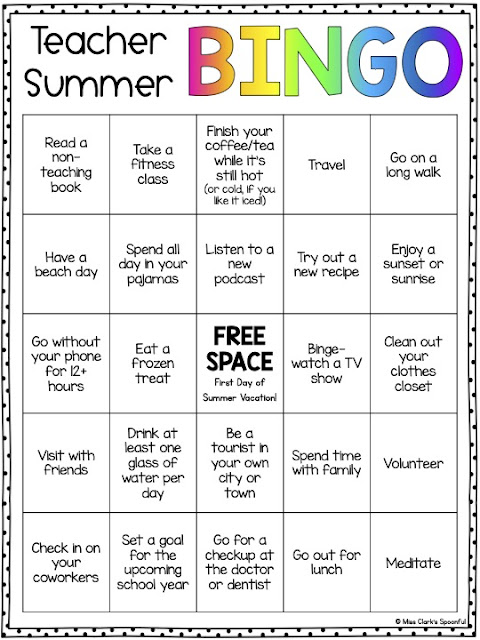
Who's up for the annual Teacher Summer BINGO?!


Think of it as a light-hearted challenge just for you. Check off what feels good, skip what doesn’t, and celebrate every little square you complete.


Make this summer about doing something that fills your cup, and realizing that even one or two small wins can make a big difference.


Take the nap. Read the book. Binge the show. Walk slowly through Target for absolutely no reason.


Soak it up, because you deserve every sunny second.


Happy summer!

0

Interactive Modeling for Better Behavior and Smooth Transitions: My Top 5 Routines!


Ah, March—the month where students seem to forget every routine you’ve painstakingly taught them since August. Lining up turns into a conga line, transitions resemble an episode of Wipeout, and somehow, someone is still using scissors to cut their eraser into tiny confetti pieces. Sound familiar?!


The truest thing you'll ever here when it comes to teaching:


There is no "wrong" time to do a classroom reset.


Before we all descend into complete classroom March Madness, let’s take a deep breath and get back to basics: Interactive Modeling — the secret weapon that keeps our classrooms from turning into a free-for-all.


What Is Interactive Modeling (And Why Didn’t I Try This Sooner?)

Unlike the classic "I told them, so they should know" approach (which, let’s be honest, has a 0% success rate), Interactive Modeling actually shows students how to meet expectations. Instead of just telling them, we:


Model the behavior ourselves.


Ask students what they noticed.


Have a student model it, too.


Let the whole class practice.


It’s like a mini reality show where the "winner" gets the prize of not being constantly reminded how to walk in the hallway!


Here are my TOP 5 ways to use interactive modeling with classroom routines:


1. Entering the Classroom Calmly

(Also known as: Entering the Classroom Like a Calm, Collected Human)


How they actually enter: Running, talking, dropping their backpack in the middle of the floor like it’s a crime scene.


How we want them to enter: Walking in, putting belongings away, starting the morning routine like the independent learners we know they can be.


Model: Walk in quietly, put belongings away, and start the morning routine.


Ask: "What did you notice about how I entered?"


Student Model: Choose a student to demonstrate.


Class Practice: Everyone tries it together.


2. Lining Up & Walking in the Hallway

(Also known as: Lining Up Without Looking Like a Flash Mob)

The second you say "Line up," students can interpret this as Run and shove your way to the front! Instead, let’s slow it down.


Model: Show how to stand in line, keep hands to yourself, and walk silently.


Discuss: "What helped us stay safe and respectful?"


Student Model: One or two students demonstrate.


Class Practice: Try it as a group.


3. Using Materials Respectfully

(Also known as: Using Materials Like They’re Not Disposable)


Markers with missing caps. Scissors in the wrong bin. Glue sticks that have been twisted into oblivion. If this sounds like your classroom, it’s time for a refresh.


Model: Take out materials, use them properly, and clean up.


Ask: "What did you see me do with the materials?"


Student Model: Let a student demonstrate.


Practice & Reinforce: Have small groups practice and share observations.


4. Transitioning Between Activities

(Also known as: Making Transitions Less… Dramatic)

Model: Show what a quick and quiet transition looks like (ex. moving from the rug to desks).

Discuss: "What did it look like while I was moving? What did it sound like?"

Student Model: Let a student or small group try.

Class Practice: Have the whole class transition together.


5. Asking for Help

(Also known as: Asking for Help Like a Pro Without Yelling "TEACHERRRR!" Across the Room)


Model: Demonstrate raising your hand, waiting patiently, and using a kind voice.


Ask: "What did you notice about how I asked for help?"


Student Model: Let a student try it.


Class Practice: Students practice with a partner. Bonus points if they don’t wave their arm like they’re hailing a taxi.


FINAL THOUGHTS: RESET & REFRESH.

March is the perfect time for a routine reset. With Interactive Modeling, you’re not just reminding students. You’re engaging them in the process.


Plus, who knows? By reinforcing expectations now, you might just survive the countdown to summer with your sanity intact.


Happy interactive modeling!


0

Outdoor Learning with Little Learners: Make it Successful and Fun with the 5 Senses!


I know what you're thinking (because I'm that way, too).


Outdoors? Like the great, wide, open OUTSIDE? Where there are no four walls and anything could happen?


I often refer to myself as being a recovering perfectionist, and aspiring good-enough-ist. As an educator, I've also learned that:


- Perfection doesn't exist


- A beautifully crafted lesson doesn't need to involve a Pinterest perfect "classroom transformation," overstimulating supplies, or harping on a cutesy theme (and trust me... I am the former Queen of Cute!).


In fact, lessons that truly stick with kids are cerebral, cater to the whole child, build risk-taking, and allow true creativity to take center stage.


Taking learning outdoors provides students with fresh air, a hands-on approach, and a direct connection to nature. By moving lessons outside, we have the power as teachers to create engaging, memorable learning opportunities that foster lots of curiosity and enthusiasm.


And you know what? It's not as daunting as it sounds. Here are my TOP 5 practical ideas and tips for taking learning outdoors!


1. Plan Lessons Around Nature

Utilize the natural environment to teach various subjects. For example, a math lesson can be as low-prep as measuring tree heights, or counting/sorting different colors of leaves. The outdoors offers endless opportunities for experiential learning!


2. Outdoor Reading Sessions

Take reading time outside. Whether it’s under a tree, on a picnic blanket, or in a school garden, a change of scenery can make reading more enjoyable and relaxing for students. Encourage them to bring their favorite books or select nature-themed literature!


3. Nature Journals

Students can document observations, draw sketches, and write reflections about their outdoor experiences. This activity can enhance their writing and observational skills while making a deeper connection to the environment.


4. Physical Education and Games

Incorporate outdoor physical education classes. Activities like hiking, running, or playing team sports in an open field can improve physical health and teamwork skills. Consider organizing nature scavenger hunts to make physical activity fun and educational.


5. Art and Creativity

Use the outdoors as inspiration for art projects. Encourage students to create nature-inspired artwork using materials like leaves, rocks, and flowers. Outdoor spaces can also be perfect for music and drama activities, allowing students to perform in a natural amphitheater.


PRACTICAL CONSIDERATIONS:

Safety First: Definitely  that all outdoor activities are safe and that students are supervised at all times.

Weather Preparedness: Be prepared for various weather conditions by having a backup plan or suitable outdoor gear.

Accessibility: Make sure that outdoor activities are accessible to all students, considering any mobility or sensory needs.


By taking learning outdoors, you can create enriching, memorable experiences that inspire an appreciation for nature. Explore these ideas and adapt them to fit your teaching style and curriculum needs!

----------

Ready to get your students outside?


You can download these free printables HERE!


Here's to the great outdoors!

0

My Top 2 Math Workshop Books Every Teacher Should Read


True story: As a child, I had terrible math anxiety. 

I didn't "get" math. There was a definite gap in my concrete and abstract understanding of concepts, and I had to work really hard to understand traditional algorithms.

As a high schooler, there was lots of extra help after school, and too many late nights around the dining room table shedding tears over my homework.

If I had lots of hands-on materials and visuals, I totally would have been better with my multiplication facts (and lots more!).

If you would have told the younger Erin that math would be one of her favorite parts about being a teacher, she would have laughed in your face. But here we are... it's true!

MATH: MY TOP 2 READS


1. Math Workshop in Action by Dr. Nicki Newton


Here's a snapshot at the structure of math workshop, that Dr. Newton guides you through setting up!

Mini-Lessons are concise and engaging, providing a clear and direct introduction to the day’s learning objectives.

Independent Work involves students practicing the concepts and skills introduced, and working at their own pace.

Small Group Instruction allows teachers to provide targeted support to students in flexible groups.

Math Centers are stations set up around the classroom that are hands-on, and give students practice with a variety of math concepts.

Reflection and Sharing is a time when students come together to discuss their learning experiences and share their work.

Doesn't it sound MAGICAL?

Why Math Workshop in Action is Essential for Teachers

You'll learn how to set up and conduct your math workshop, + more.

1. Practical Strategies: Dr. Nicki Newton is A. MAZING. She provides a wealth of practical strategies that you can implement immediately! From setting up the classroom environment to managing small group instruction, the book offers step-by-step guidance to make the math workshop model work in any classroom.

2. Student Engagement: The workshop model is designed to engage students actively in their learning. By incorporating hands-on activities, games, and collaborative tasks, the magic of the workshop model is brought to math instruction! It's really exciting to read about how to create a dynamic and interactive math block where students are motivated and excited to learn.

3. Differentiated Instruction: One of the key strengths of a math workshop model is its ability to accommodate diverse learning needs! You'll learn strategies for differentiating instruction, ensuring that all students, from struggling learners to advanced students, receive the support and challenge they need.

4. Focus on Conceptual Understanding: Rather than relying solely on rote memorization and procedural skills (because, UGH), the math workshop model emphasizes deep conceptual understanding. Dr. Newton offers techniques to help students grasp underlying mathematical concepts, fostering a profound and lasting understanding of math!

0

My Top 2 Reading and Language Arts Books Every Teacher Should Read


Balanced Literacy?

Readers Workshop?

Guided Reading?

If you're anything like me, you feel like you've done it all.

Teaching reading is one of the most critical responsibilities teachers have. After all, it lays the foundation for all other learning - opening up a world of knowledge and possibilities for our kids (No pressure!). With the huge variety of approaches and methodologies available, finding the best ways to teach reading can be overwhelming.

Never fear! Integrating research-based strategies can make the complex task of reading instruction more effective and successful.

It's been so much fun sharing my top reads that stretch across the curriculum. Keep reading for books that will transform your literacy instruction!

READING AND LANGUAGE ARTS: MY TOP 2 READS


1. The CAFE Book (Expanded 2nd Edition) by Gail Boushey and Allison Behne

Cover of The CAFE Book (Expanded 2nd Edition)

Once upon a time, I lived and breathed everything about CAFE & Daily 5 when it came to literacy instruction. The CAFE framework (Comprehension, Accuracy, Fluency, and Expanding Vocabulary) was THE system when it came to helping students set personalized goals and provide targeted instruction.

Don't get me wrong, it still is. Now, it's improved. Why? The Accuracy instruction better embraces the importance of phonics instruction and the Science of Reading. Instead of "Check the Picture," strategies like, "Map it," and "Look Carefully at Letters and Words" are being implemented. Hooray!!!

This book is one that you're going to want to get your highlighters and sticky notes out for (and I think you'll love it!).

The expanded second edition enriches the original CAFE framework with updated research, new strategies, and enhanced tools to better support teachers and students.

Why The CAFE Book is Essential for Teachers

You are taken through setting up "The CAFE menu," a visual tool that outlines the four key literacy goals: Comprehension, Accuracy, Fluency, and Expanding Vocabulary. Step-by-step, you'll also learn how to conduct individual conferences, create strategy groups, and track student progress. All of this with updated research and insights!

1. Personalized Learning: The CAFE framework emphasizes individualized instruction. It supports teachers in tailoring instruction to meet the specific needs of each student! This personalized approach is crucial for addressing diverse learning styles and abilities within the classroom.

2. Student Engagement: One of the core principles of The CAFE Book is engaging students in their own learning process. We all know that when students are involved in goal setting and self-assessment, it makes it a lot easier for you to foster motivation!

3. User-Friendly Tools: The book provides a ton of practical tools, including updated assessment forms, checklists, and record-keeping templates. These tools simplify the process of tracking student progress and planning instruction.

4. Support for Diverse Learners: Recognizing the diversity in student abilities and learning styles, the CAFE framework offers strategies for differentiating instruction. This ensures that all students, regardless of their starting point, receive the support they need to grow as readers.

0

My Top 2 Child Development Books Every Teacher Should Read


Hey there, and happy summer!

I stayed up way too late last night, all because I was invested in finishing the book Listen for the Lie. A story based on solving a murder with a true crime podcast in the mix? Perfection.

Along with a murder mystery that keeps me on the edge of my seat, I also love to peruse "teacher books:" curriculum, student behavior, classroom management... you name it!

Whether because I feel like I'm in a rut, or I'm just intrigued about current best practices, going to the experts to learn something new helps me to be the most effective teacher I can be for my students.

I thought I'd share with you my top reads that stretch across the curriculum.

Up today... Child Development & Social Emotional Learning!

CHILD DEVELOPMENT AND SEL: MY TOP 2 READS


Cover of the book Yardsticks by Chip Wood

As educators, we often find ourselves right at the intersection of pedagogy and developmental psychology. It's here that we're seeking to tailor our teaching methods to meet the unique needs of our students.

Yardsticks is an invaluable resource that brings both of these focuses into perfect harmony!

This book is as a comprehensive guide to understanding the developmental milestones and behaviors typical of children from preschool through early adolescence.

Why Yardsticks is Essential for Teachers

It is a tool that empowers teachers to create developmentally appropriate learning environments! Here are a few reasons why it should be a staple in every educator's library:

1. Developmental Benchmarks: The book provides clear and concise descriptions of what children typically can do, feel, and understand at each age. This includes physical, social, emotional, and cognitive development.

2. Behavioral Insights: Yardsticks offers insights into common behaviors and challenges at each age level. This understanding can help teachers respond empathetically and effectively to their students' needs. Example: knowing that a seven-year-old might typically struggle with sharing helps in creating strategies that encourage cooperative play.

3. Practical Strategies: The book is packed with practical advice on classroom management, ways to support students' growth, and instructional strategies that can be implemented immediately.

4. Holistic Approach: The whole child is the main focus. Yardsticks encourages teachers to think beyond academics, and incorporate social and emotional learning into their daily practices.

0

3 Fun Name Activities to Build a Classroom Community


If it's back-to-school time for you, or if you're at least THINKING about being back to school, you're probably busy planning ways to build up your classroom community!

These fun interactive activities are perfect to practice names and integrate skills across the curriculum. 

Your students will have fun as they get to know one another, and you will begin creating a positive classroom environment from Day 1. It's a win-win!

Here are 3 of my favorite Name Activities to use with your class:

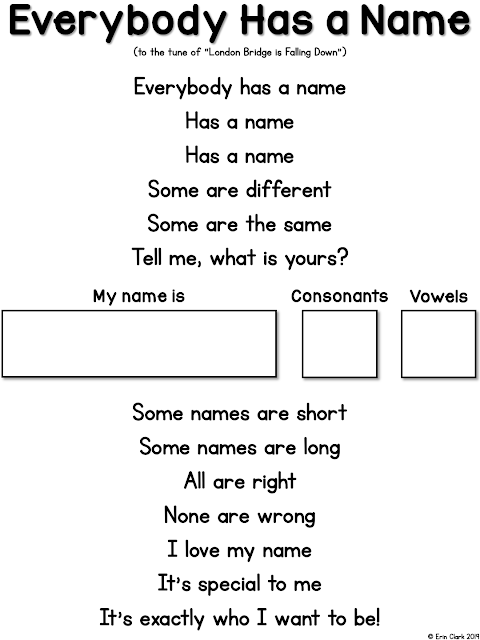
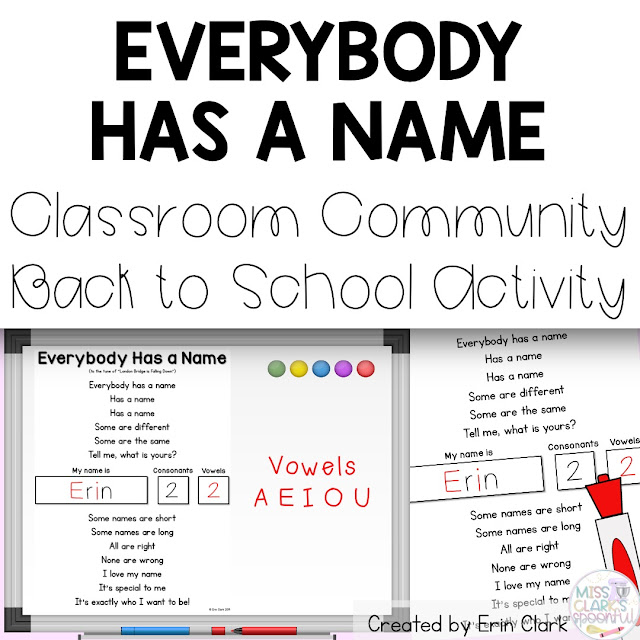
1. "EVERYBODY HAS A NAME" (LITERACY)

We love to sing "Everybody Has a Name!"

Adding this activity into your daily routine at the beginning of the school year will make all the difference when it comes to giving each one of your students a sense of belonging.


2. A MY NAME IS ALICE MORNING MEETING GREETING (SOCIAL/EMOTIONAL LEARNING)

This fun Morning Meeting activity integrates SEL with Language Arts. Students will be having so much fun, that they won't even realize you snuck in a mini-lesson about verbs and alliteration!

As students are greeted around the circle (or with a partner - however you want to set it up!) they would say:

"A my name is _____. I like to _____."

Using the first letter of their names, students should name an activity they like to do that matches that letter. 

For example:

"B my name is Brooke and I like to bake."

"C my name is Charlie and I like to collect."

The best part is, that students will have follow-up questions that will further allow them to make connections. ("What do you like to bake?" Brownies! "What do you like to collect?" Seashells!).

There are many variations you can do with this activity.

For example, instead of using verbs, you can encourage students to think of an adjective that describes them! The possibilities are endless as students celebrate their names in a fun, interactive way.

3. NUMBERS IN OUR NAMES (MATH)

This interactive activity is meant to be used with the mentor text Chrysanthemum by Kevin Henkes.


In this activity, students collect data and count the letters in each of their classmates' names! Then, students tally, graph, and interpret the data.


This activity is part of my complete Chrysanthemum Literacy & Math Activities collection. Fun!

----------

What are some of your favorite ways to have fun with names as you build a classroom community? I'd love to know!

Happy teaching,

0

The 4 Best Ways to Make Introverted Students Feel Welcome


I'm an introvert, through and through.

As a kid, I was always the one who was more comfortable listening to my teacher during whole group instruction rather than breaking out into small group work.


I always dreaded the "share a fun fact about yourself!" on the first day of school.


This got me thinking:


First day of school icebreaker activities aren't fun for everybody.


So, how can you support your introverts during the first week of school & simultaneously help them build connections?


Here are my Top Four Tips!


1. REMEMBER THAT BEING INTROVERTED AND BEING SHY AREN'T THE SAME.

An introvert can be emotionally fatigued after spending a lot of time with other people, and enjoys time alone. A shy person may avoid interacting with people altogether due to social anxiety.

2. RECOGNIZE THE IMPORTANCE OF WAIT TIME WHEN IT COMES TO PARTICIPATION.

In my high school English class, we used to have book discussions. We'd all sit in a circle, and talk about the latest chapter of the book we were reading. My teacher had a clipboard and literally "checked" our name off each time we participated in the discussion. What a nightmare!


Needless to say, I contributed pretty meaningless comments during these discussions, just because I wanted to make sure my name was "checked off" for speaking.


Value wait time when it comes to participation. After posing a question, don't necessarily call on the first student that raises their hand. In fact, give it a good ten seconds or so before you call on anyone.


This can feel like a LONG. TIME. So, why do it?


Not only will your students be able to put some thought into their answers, but introverted students will be given the much needed time to gather their thoughts, not feel pressured to just blurt out anything, and be proud of taking a risk to participate.


3. PROMOTE A CULTURE OF MINDFULNESS.

Classrooms are naturally busy spaces. Within the hustle and bustle, try incorporating some quieter spaces that can help minimize sensory overload. A calm down corner, or reading nook is a great idea to provide an alternative space for learning!


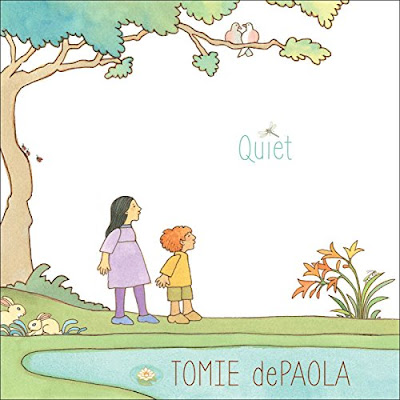
Along with alternate spaces, you can sneak mindfulness and calming breathing exercises into your day. Morning Meeting and Closing Circle are ideal times to do this! Try reading books with your students that encourage mindfulness. Quiet by Tomie DePaola is a beautiful story that reminds us that being quiet, still, and present with one another is a very special thing.


quiet by tomie depaola book cover

4. OFFER MULTIPLE WAYS TO SHARE.

Going with the flow of whole group or small group discussions and seamlessly adding to conversations on a whim doesn't work for all students. Writing can be a creative and calming outlet for introverted students in the classroom. Giving time for introverts to write out a response before sharing can lessen anxiety, and boost confidence + engagement.


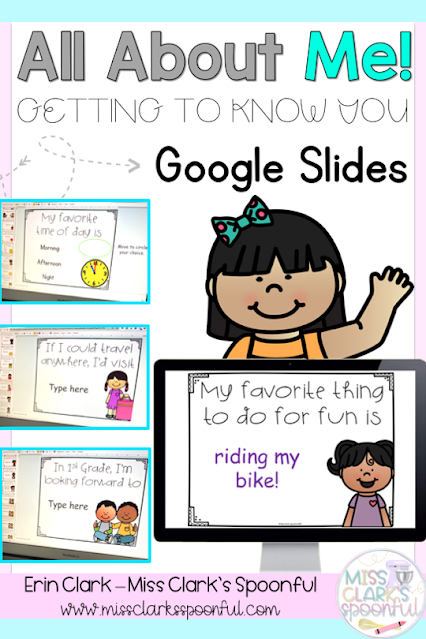
We have so many 21st century ways of teaching and learning right at our fingertips. Here is one of my favorite ways to incorporate "Getting to Know You" at the beginning of the school year that reaches all students!


getting to know you google slides activity

You can start the year off right by fostering a strong classroom community! Celebrate each student's unique identity, and honor both introverted and extroverted personalities.

----------

Download your Getting to Know You Digital Activity HERE!


Happy community-building!

0

Fun Ways to Make Your Teacher Summer All About Self Care!


What does summer mean to you?

Time to relax, rejuvenate, and renew should be three things that immediately come to mind.

Sometimes, this is harder than it sounds!

If you're anything like me, I'm on a journey this summer to truly practice self-care. I'm not just talking about, "take one day at the spa!" Self-care is actually harder to practice than it sounds.

In case you were wondering, the definition of self-care is: "the practice of taking action to preserve or improve one's own health." (Thank you, dictionary!)

Here's the tricky part. How can we as teachers do this?

I've been thinking a lot lately about how to spend time this summer. On my list so far is:

☀️ Changing up habits for healthier choices

☀️ Adapting to a new routine

☀️ Taking time to be my best self

CHANGING UP HABITS FOR HEALTHIER CHOICES

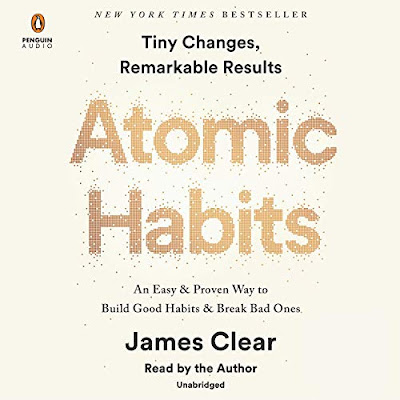
I'm listening to the audiobook Atomic Habits by James Clear, and it's fabulous! If you're looking for a way to ditch some bad habits, form good ones, and learn how to create tiny behaviors that create long-term results, this is for you!


ADAPTING TO A NEW ROUTINE

Embracing the idea of not having a schedule can be tricky! Sometimes, it can be helpful to keep a sense of routine (eat breakfast at a consistent time, take an afternoon walk at the same time, etc).


TAKING TIME TO BE MY BEST SELF

To do this, I'm focusing on putting myself first! I know, I know. that can sound pretentious and potentially selfish. Before you jump to conclusions about doing this for yourself, think about that phrase "you can't pour from an empty cup." It's a cliche for a reason! The more you care for yourself, the more available you'll be (as the best version of yourself) to others.


So, how can you make this fun?

Make it a game that you can play all summer long!


Again, true self care doesn't look like doing one or two of these tasks and simply checking them off your list.

However, completing one or two of these tasks as part of the bigger picture of truly caring for yourself can do wonders!

----------

Is Teacher Summer Self-Care Bingo something you'd like to play along with?

Download your free printable HERE!


If you're playing along, I'd love to see how it's going.

Feel free to share your summer self-care adventures by tagging me @missclarksspoonful on Instagram!

Seeing people do what brings them joy brings me a ton of joy too. ☀️

Happy Summer!


0

Rainbow Similes: The Best and Most Creative Poetry Lesson for Spring!

rainbow simile activity for the elementary classroom

What is my favorite month to teach writing? April wins!

It's National Poetry Month, and there are so many ways to incorporate some extra creativity.

One of my favorite poetry lessons is teaching about SIMILES.

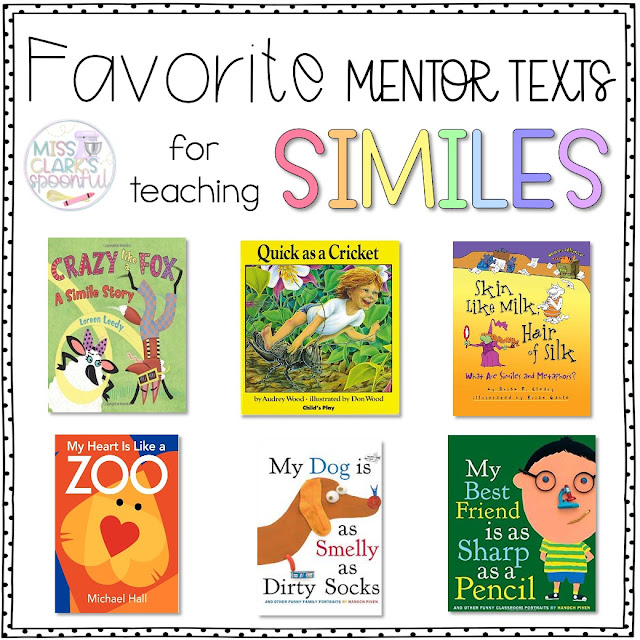
We start out by talking about what a simile actually is, and look at examples of them. These mentor texts are wonderful for introducing similes, and seeing some in action!

mentor texts for teaching similes

In the spirit of April Showers and all things spring...

we incorporate rainbows and colors into simile writing!

RAINBOW SIMILES ACTIVITY


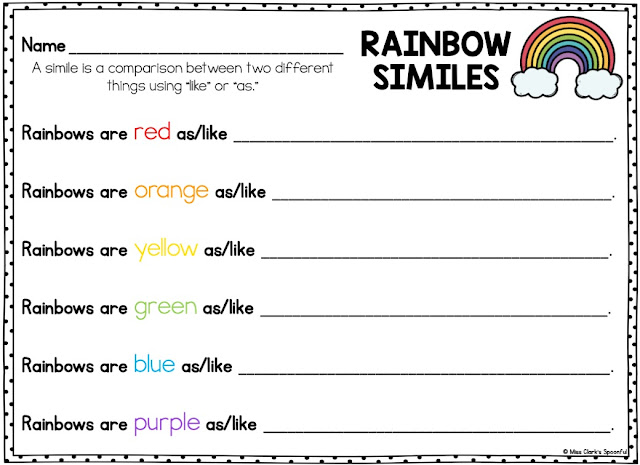
All you'll need is: large pieces of white paper, sets of watercolor paints, and a planning sheet.

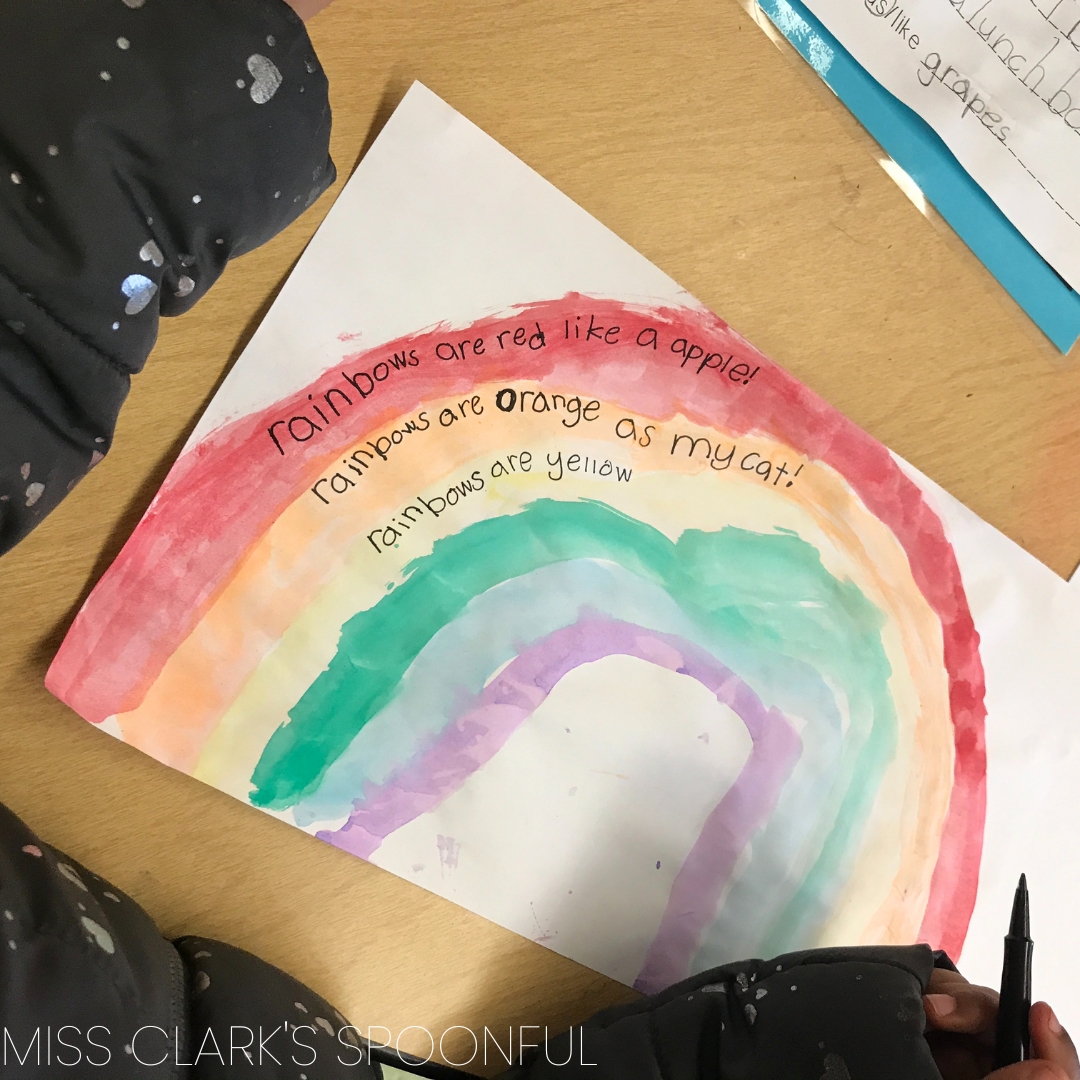
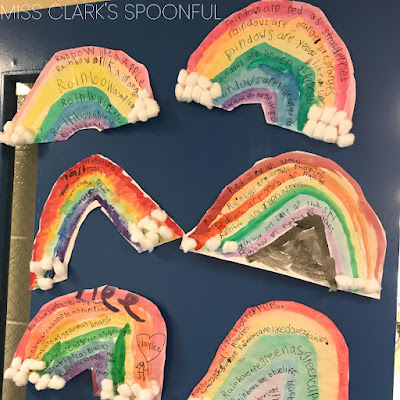
rainbow similes written down and a watercolor rainbow

First, students can plan out their color similes on paper. Then, they can get to work on their rainbows!

a child's watercolor painting of a rainbow

Once the watercolor paint is dry (it doesn't take very long), students can copy their similes from their planning sheets onto their rainbows.

It helps to use pencil first, and then go over the writing using a skinny permanent marker!

a child's watercolor painting of a rainbow

These projects make a beautiful display of student work all spring long.

a display of children's artwork, watercolor rainbows

a display of children's artwork, watercolor rainbows

----------

Are Rainbow Similes something you'd like to incorporate in your classroom?

You can download these free printables HERE!


rainbow similes activity

rainbow similes activity

Happy Writing!

0

Work on Writing Choices in the Elementary Classroom... A Must Have Center!

work on writing center in the elementary classroom

The Writing Center is my favorite place in our classroom.


Why? "Work on Writing" is a place where students can practice writing every single day!


I'd love to take you through my Work on Writing center, and explain a little bit about the choices students have. PS - If you're wondering about the structure of when and how students visit Work on Writing, visit this blog post to learn more.


For now, let's dive into Work on Writing!


Here is what my Work on Writing center looks like:


colorful drawers with writing center labels on them: list, friendly letter, lined paper, how to, pick and write, and draw and label.


THE SETUP

- The drawer set is from Michaels. Teacher tip: remove the knobs for easy labeling!


- Speaking of labeling, the drawer labels are from The Organised Teacher over on TPT. They are editable, and F-R-E-E!


- Thematic Vocabulary Cards are from Cara Carroll over on TPT.


- I used clear frames from Amazon to display my "Work on Writing" center sign. This helps provide a clear visual of what and where the Work on Writing center is throughout the year.


You can download your free sign HERE if you'd like!


In my Work on Writing Center, I include seven choices: Let's go through them together!


PICK AND WRITE

This activity comes along with Cara's Thematic Vocabulary Cards. The students practice writing sentences featuring any of the vocabulary words displayed in the writing center! This option is great for working on sentence structure, capitalization, and punctuation.


DRAW AND LABEL

More suited for beginning writers, this writing choice ALSO comes along with the Thematic Vocabulary Cards! 


FREE WRITE

This is exactly what it sounds like! Students are free to write about whatever interests them. For those students who may have writers block (I was this kid!), I LOVE the monthly prompts from Heidi and Emily over at Second Story Window.


I typed out the prompts, and stuck them on fun cutouts that you can find at Dollar Tree, or any other teaching store! These prompts are switched out every month.


HOW TO

How To Writing is so much fun for students, because they get to be the expert on writing out steps for how to do something they're great at. Students also practice important learning concepts of using temporal words (first, next, then...), and being descriptive while using short, sequential steps!


RECIPE

Writing recipes allow for students to be both creative and organized! They need to provide a list of ingredients, as well as step-by-step directions for how to make their delicious dish. Yum!


LETTER

The parts and purpose of a Friendly Letter is a must-do lesson to introduce this center! One of the most important teaching points is why we write friendly letters, and who we write letters to (Family members, relatives, people we don't see that often...). This helps from friendly letters turning the corner and becoming "notes" that students just write to one another. 😉


LIST

We all make lists! This writing center is my very favorite. To introduce this center, we talk about when and why people might make lists. Grocery lists! Lists to remember tasks! You name it. Much like the thematic vocabulary cards, I display a seasonal collection of List Writing Options in our Writing Center.


List writing is SO beneficial for students. It helps them develop an awareness of spelling patterns, expand vocabulary, and connect concepts across the curriculum!

----------

If these Work on Writing ideas are something you'd like to incorporate in your classroom, you check out this collection of centers in my TpT store!


The List Writing part of this collection just got a HUGE update! You can now have access to 120 List Writing Prompts that can be used all year long.


Click HERE to download your free September and October List Writing Prompts.


Wishing you happy writing moments to come!


0